AP Chemistry – Jenna Nikles
Home »
AP Chemistry – Jenna Nikles
This session AP Chemistry – with Jenna Nikels is offered in ONLINE Week 2: June 22-25, 2026.
Meet your APSI Consultant for AP Chemistry
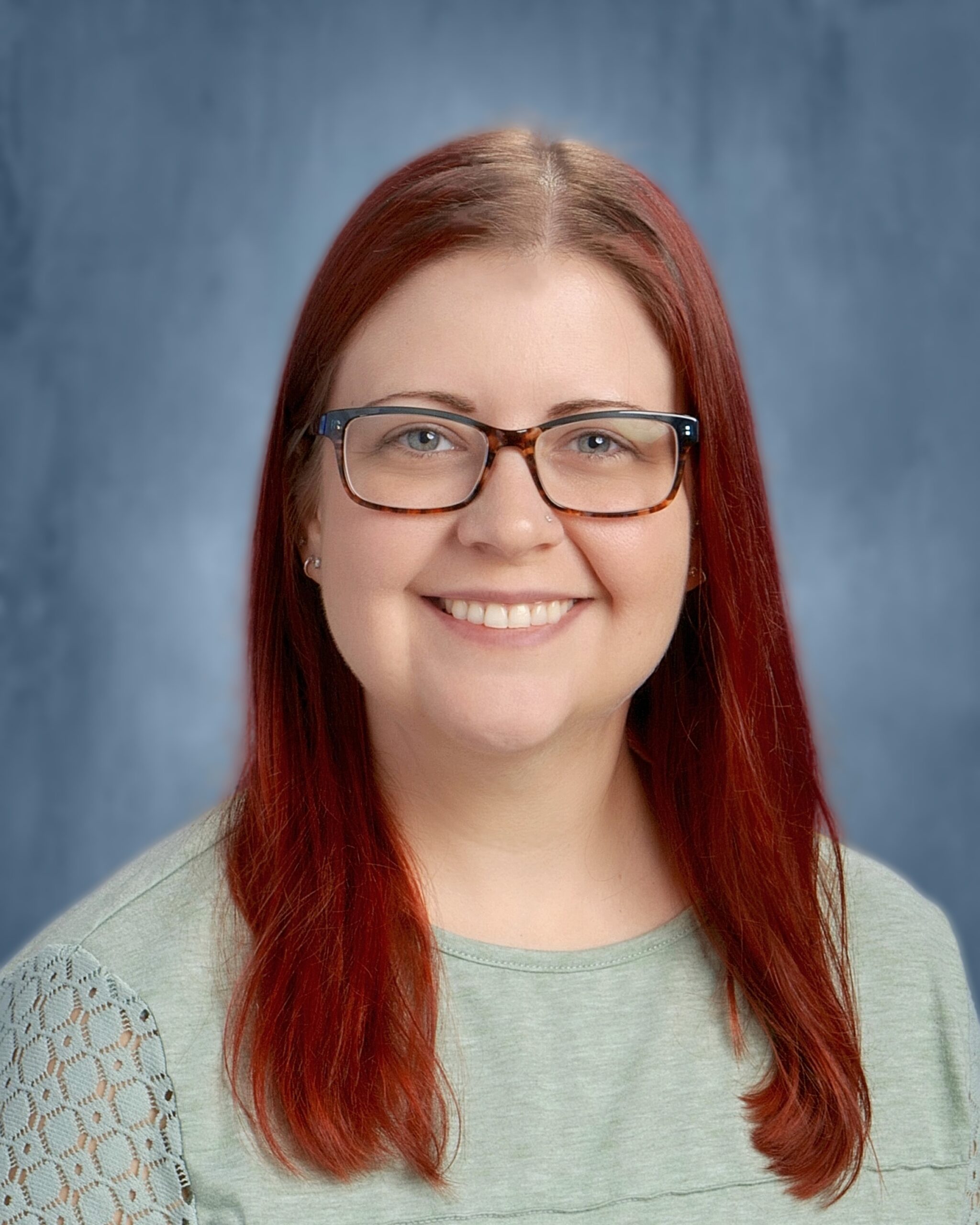
Jenna Nikles has been teaching AP Chemistry for 14 years at a public and private schools in Central Florida. She recently completed her Educational Doctorate in Instructional Design and Performance Technology. She holds a Master of Science in Chemistry degree from Ohio University and a Master of Arts in Teaching degree from the University of Central Florida.
Jenna has been an AP Chemistry Exam reader since 2019, is a gifted endorsed instructor, and is clinical educator certified to mentor new teachers and students in teacher-preparation programs. She has more than six years of experience leading teacher professional development, facilitating multi-day workshops with chemistry teachers through in-person and online AP Summer Institutes and within her district. She has experience with virtual instruction for both students and teachers, using a variety of technology to actively engage participants in the online format. She aims to review AP chemistry course content while modeling effective instructional practices that teachers can use in their classrooms.
The lab activities that she shares are easily modified to fit different budgets and available course time; lab activities help to engage students in the content, boost performance on the exam using the science practice skills, and encourage diverse learners to take the AP Chemistry course. She focuses on finding solutions and strategies for participants to fit each unique educational scenario. She incorporates multimedia training materials along with lab videos, simulations, and virtual collaboration tools for a seamless online learning experience.
APSI Session Description
In this four-day, online APSI we will explore and practice the skills and content that students need to be successful in AP Chemistry. We will cover all units of the CED, and practice key strategies to improve student success. Emphasis will be placed on atomic structure, bonding, intermolecular forces, thermodynamics, electrochemistry, and equilibrium, with the level of detail on each topic dictated by participant needs. We will explore inquiry-based labs, with budget-friendly options and modifications for all school environments, including hands-on time exploring virtual simulations and animations. Lab demonstrations will be shown live on camera, with the opportunity to ask questions and interact with student-collected sample data. Teachers will be given fully editable lab handouts to cover all skills needed for the AP Chemistry exam, including a detailed materials and supplies list. We will also spend significant time on exam preparation strategies and how to scaffold student success with written response questions, including strategies to prepare students for the digital hybrid exam format. Teachers will have time to plan their course calendar and explore AP classroom resources, including practice making assessments using the question bank.
This sample agenda and lab activities may be modified based on participant input on areas of highest need.
Day 1: Welcome, icebreaker, and introduce the AP chemistry program. Introduce the chemistry Course and Exam Description, AP Classroom, and AP Daily. Course structure and building laboratory activities into the content curriculum. Strategies for teaching key concepts in Units 1 and 2. Demonstrate one lab and discuss how to implement it. Hands-on practice with multiple simulations. Labs: Empirical formula of a hydrate (modification: popcorn); Photoelectron Spectroscopy Simulation; VSEPR lab simulation
Day 2: Discussion of exam format, requirements and testing strategies. Practice scoring free response questions and how to scaffold response skills with students. Strategies for teaching key concepts in Units 3, 4, and 5. Demonstrate 2-3 labs and discuss how to implement them. Hands-on practice with multiple simulations. Labs: Intermolecular forces of volatile liquids; Alka seltzer kinetics (or Marble statue kinetics); Relating light and concentration (with and without a spectrophotometer, simulation option); Molarity simulation; Nuclear Decay kinetics simulation
Day 3: Discussion of free response and multiple-choice practice strategies. Using the released AP Chemistry exam materials, sample responses, and chief reader report. Discussion on recruiting a wide range of learners to participate in the course and how to create a supportive learning environment for all students. Strategies for teaching key concepts in Units 7 & 8. Demonstrate 1-2 labs & discuss how to implement them. Hands-on practice with multiple simulations. Labs: Colors of the rainbow Le Chatelier’s principle; Acid/Base titration (with and without a pH probe, Ksp titration option); Reversible reactions simulation (with hands-on options for classroom use); Acid/Base titration simulation
Day 4: Reviewing for the AP exam, AP Daily, the AP course audit & practice using the instructional planning report. How to use student data from AP Classroom and practice using the question bank. Modeling whole-course planning using the CED and time to create a full-year/semester calendar. Strategies for teaching key concepts in Units 6 and 9. Demonstrate 1-2 labs & discuss how to implement it. Hands-on practice with multiple simulations. AP teacher community and becoming an exam reader. Q&A time and time to complete workshop survey. Labs: Hand warmer design lab; Redox titration of hydrogen peroxide; Endothermic & Exothermic processes simulation; Voltaic cell creation and simulation
2026 WaltonAPSI / AP Chemistry / Jenna Nikles
Back to Top
